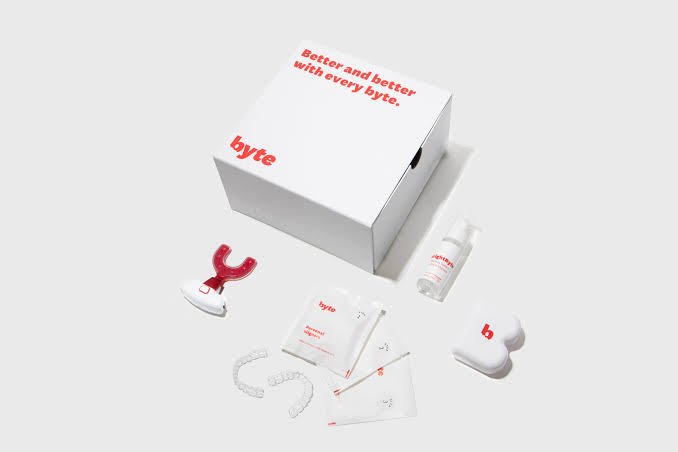
When you’re building a business, tracking the stories of once-promising brands brings lessons in both opportunity and risk. Byte was a fast-rising player in the at-home clear aligner space. If you wanted straighter teeth without visiting a dentist, Byte offered a direct-to-consumer model—mail in your dental impression, get a clear aligner shipped to your home, and track progress online. Byte promised convenience, speed, and a so-called “lifetime guarantee” on your results.
But by late 2024, Byte’s journey hit a wall. Growing regulatory pressure, internal changes, and external lawsuits forced the business to stop active operations. The Byte story now serves as a real-time case study on market fit, compliance, and how quickly a strong-seeming brand can fall. If you’re a founder or planning a business, use this as a clear, step-based example of how to manage risk and stay alert to disruption.
Official Communications from Byte and Dentsply Sirona
When you hear rumors about a company like Byte “going out of business,” always check the official statements. Right now, Byte’s own homepage delivers a blunt message: “Byte has concluded its operations.” That’s not the language of a brief pause or brand reset.
Look closer at how their parent company, Dentsply Sirona, has handled the messaging. In October 2024, Dentsply Sirona signaled a voluntary halt to sales and marketing for all Byte aligners and mail-in impression kits. They cited a need to review regulatory standards and onboarding methods, working closely with the FDA.
Many companies use “temporary” language when reviewing compliance, leaving the door open for a return. Here, both Byte and Dentsply Sirona shifted clearly from “pause” to “conclude.” If you’re tracking business signals, that change reveals plenty: they’re not coming back to the aligner market.
Impact on Byte’s Business Operations
When a business hits pause, some activities may continue behind the scenes. That was Byte’s initial approach—block new customers, stop running ads, keep existing patients on support. But smart business owners know momentum rarely returns after a hard operational stop.
Let’s get specific. Byte:
– Stopped all marketing and customer acquisition.
– Halted shipment and processing of new or recently placed orders.
– Removed or changed language about “lifetime guarantees.”
Consumer blogs, customer forums, and third-party reviews confirm: you can’t start a new Byte aligner treatment, you won’t get a new product shipped, and you can’t rely on the old support guarantees. This is more than a pivot; it’s a market exit.
This is a textbook example of how business risk compounds. If your own venture faces legal or compliance trouble, take swift, decisive action to preserve trust. But also recognize the signs of an irreversible shutdown and pivot your strategy toward a more sustainable, lower-risk model.
Legal Status and Corporate Actions
Here’s where legal reality and business function split. Byte itself no longer runs as a consumer aligner company. Its legal entity—Straight Smile LLC, under the Dentsply Sirona umbrella—still exists as a corporation on paper.
Here’s the difference that matters to you as an entrepreneur: a “paused” legal entity doesn’t mean a business is alive. Companies may keep their registrations active for tax reasons, to manage liabilities, or simply as part of a corporate reporting structure. But Byte’s key assets—talent, budgeting, active customer base—are being wound down, spun off, or redirected. Nobody is steering those resources toward new sales or future aligner services.
If you ever face a business wind-down, it’s smart to manage your finances, dissolve or redeploy assets efficiently, and communicate cleanly with customers.
Consequences for Existing Byte Customers
Picture yourself as a Byte customer in late 2024. You’re halfway through your treatment, tracking results through Byte’s app. Suddenly, the company announces a sales “pause.” You can’t order replacements, add to your trays, or activate the “lifetime” guarantee you thought you’d receive—because Byte is no longer available to serve you.
During the early days after the suspension, Byte told existing users they could continue with their current treatment and would have in-app or account support. This support quickly became spotty. Reports from users and watchdogs reveal customers struggling to reach a representative, losing access to warranties, and being left without guidance or next steps.
The bottom line: when you sell a service—especially in health or personal care—consistent support is a non-negotiable. If your business ever faces operational pause, over-communicate, issue timely refunds, and create clear support channels. Customers judge your brand by how you serve them when things go wrong.
Most dental professionals now urge former Byte customers to see an in-person dentist or orthodontist. If you’re affected, schedule a clinical checkup as soon as possible, bring documentation of your Byte treatment, and ask about safe transition options. Protect your long-term dental health—never gamble on an absentee provider.
Class-Action Lawsuit and Customer Allegations
Every founder must track legal risk. When lawsuits hit your sector, reputational and financial costs follow quickly. Byte now faces a class-action lawsuit from former customers, alleging false advertising and even injuries connected to the use of Byte’s aligners.
That lawsuit also highlights another key pain point: many customers claim Byte failed to provide adequate refunds, alternative care, or meaningful compensation as it wrapped up operations. Expecting a “lifetime” guarantee, some patients report being left out of pocket with no path forward.
Lawsuits like this don’t just press for money—they create headlines and raise industry standards for accountability. Your action step: always deliver on core promises to your specific audience. Never overpromise product outcomes or guarantees. If things turn, communicate transparently and refund quickly.
Distinguishing from Similarly Named Companies
Business confusion hurts your brand. When searching for Byte, some find Bytes Technology (a UK software company) or even archives of Byte magazine—a computer-science publication from decades past. Neither has any connection to the aligner company.
If you’re considering branding, choose a unique name that serves your specific customer and solves a problem they’ll pay to solve. Avoid crowded or legacy names that blur your value proposition in web searches or marketing.
Here’s the quick rundown:
– Bytes Technology deals in software and IT, not oral care or direct-to-consumer products. Its business struggles are unrelated to Byte aligners and reflect only profit pressure, not closure.
– Byte magazine has been out of print since the 1990s and has zero overlap with today’s dental or health sector.
Clarity matters. If your customers ever face confusion, set up FAQ pages and strong support channels to steer them in the right direction.
Predictable Growth Lessons from Byte’s Shutdown
Byte’s experience sounds a loud, clear call for ongoing action—regardless of your business niche. If you want predictable growth and long-term stability:
1. Build regulatory compliance into your core business strategy from day one.
2. Over-communicate with your customers, especially during high-stress periods. Deliver refunds fast if you can’t supply.
3. Never overpromise on results, especially when you offer health or financial guarantees. Review all marketing for accuracy.
4. Run regular legal and financial reviews. If you see signs of trouble, consider restructuring before the pressure mounts.
5. Always have a transition plan for customers—whether you’re sunsetting a product, exiting a line, or flipping your assets to a new use.
Small businesses and founders must learn from Byte’s fast rise and hard stop. Market trends can shift quickly. Regulatory risk, online support fails, and public lawsuits all threaten your revenue and brand equity. The move from fast growth to shutdown can happen in months if you ignore risk.
Set yourself up for success by building a strong foundation—review your numbers weekly, prioritize cash and retention, and maintain laser focus on a specific audience. See more strategies for building profitable, disciplined businesses at Mini Business Tips.
Conclusion: Byte’s Shutdown and Your Next Step
Byte, once seen as a disruptive force in orthodontics, has ended all active consumer operations. You can’t start new treatment, order replacement kits, or count on ongoing support. While the legal entities survive for now, the core business of mail-order aligners is finished.
If you’re a past Byte customer, it’s time to move on. Book an in-person checkup with your local dentist, document your treatment so far, and get personalized advice for completing or correcting your care. Don’t count on suspended brands to stand by guarantees or to restore service.
For founders and business owners, this is your broader lesson: market fit, legal compliance, and clear communication all matter more than hype or speed. Build predictable growth habits in your business. Manage your finances, communicate frequently, and anchor every offer to a real problem your customer will pay to solve.
Byte’s rise and fall is a case study in risk, resilience, and responsible business stewardship. Let’s keep eyes open and build companies that last.
Read Also: